


Our Services
Ceramic Veneers
Why choose “Ceramic”?
Currently, the most popular materials are Porcelain and E-max due to their outstanding qualities:
-
Aesthetics: Provides a natural shine and translucency closest to real teeth.
-
Durability: Strong and long-lasting, typically around 10–15 years (depending on individual care).
-
Stain resistance: The surface is highly smooth, reducing stains from coffee, tea, or smoking.
-
Biocompatibility: Compatible with the body, minimizing irritation and inflammation.
Veneer Promotion
Composite Veneers (Direct Bonding)
3,000 THB per tooth
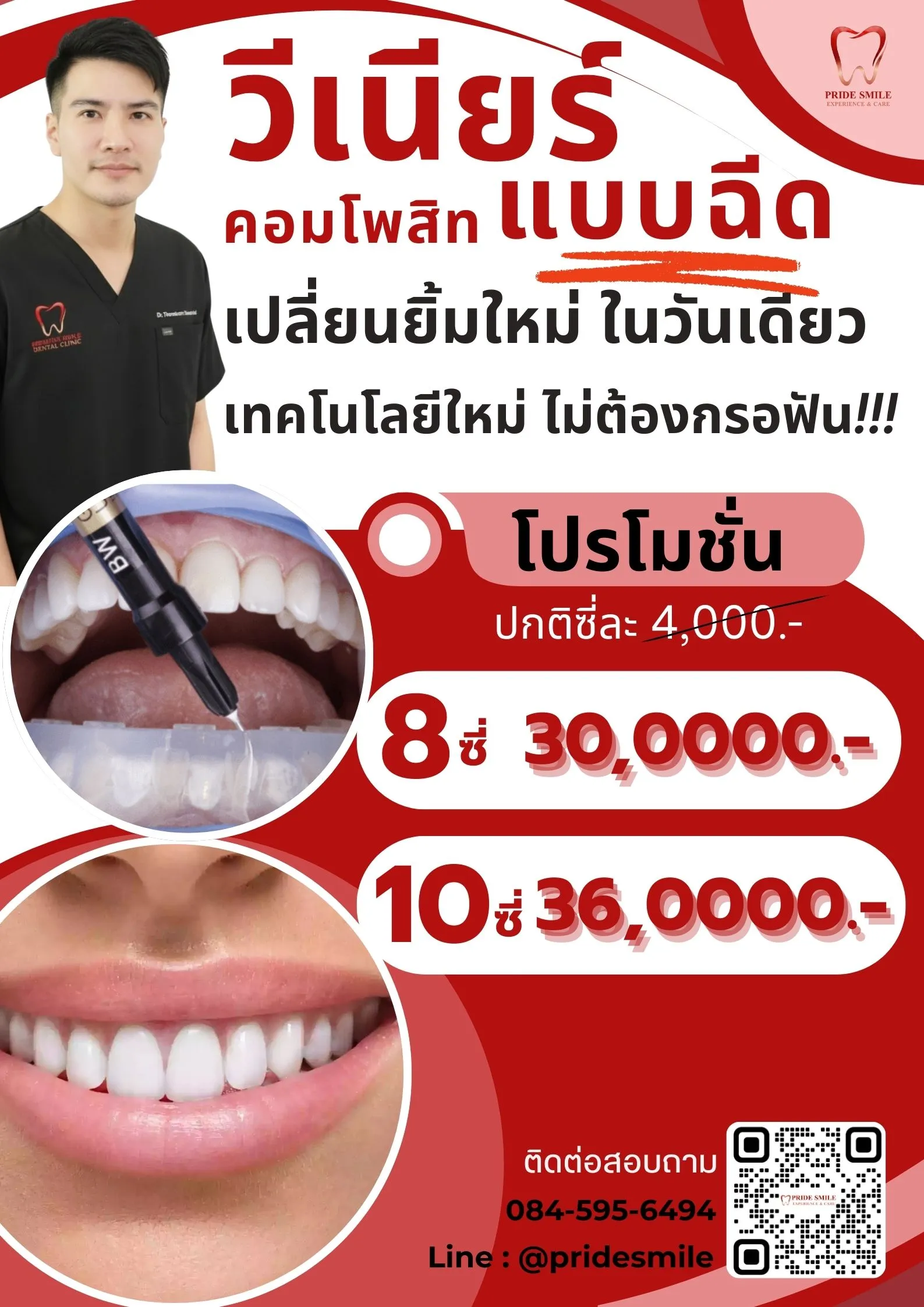
Injectable Composite Veneers
4,000 THB per tooth
Promotion
8 teeth: 30,000 THB
10 teeth: 36,000 THB
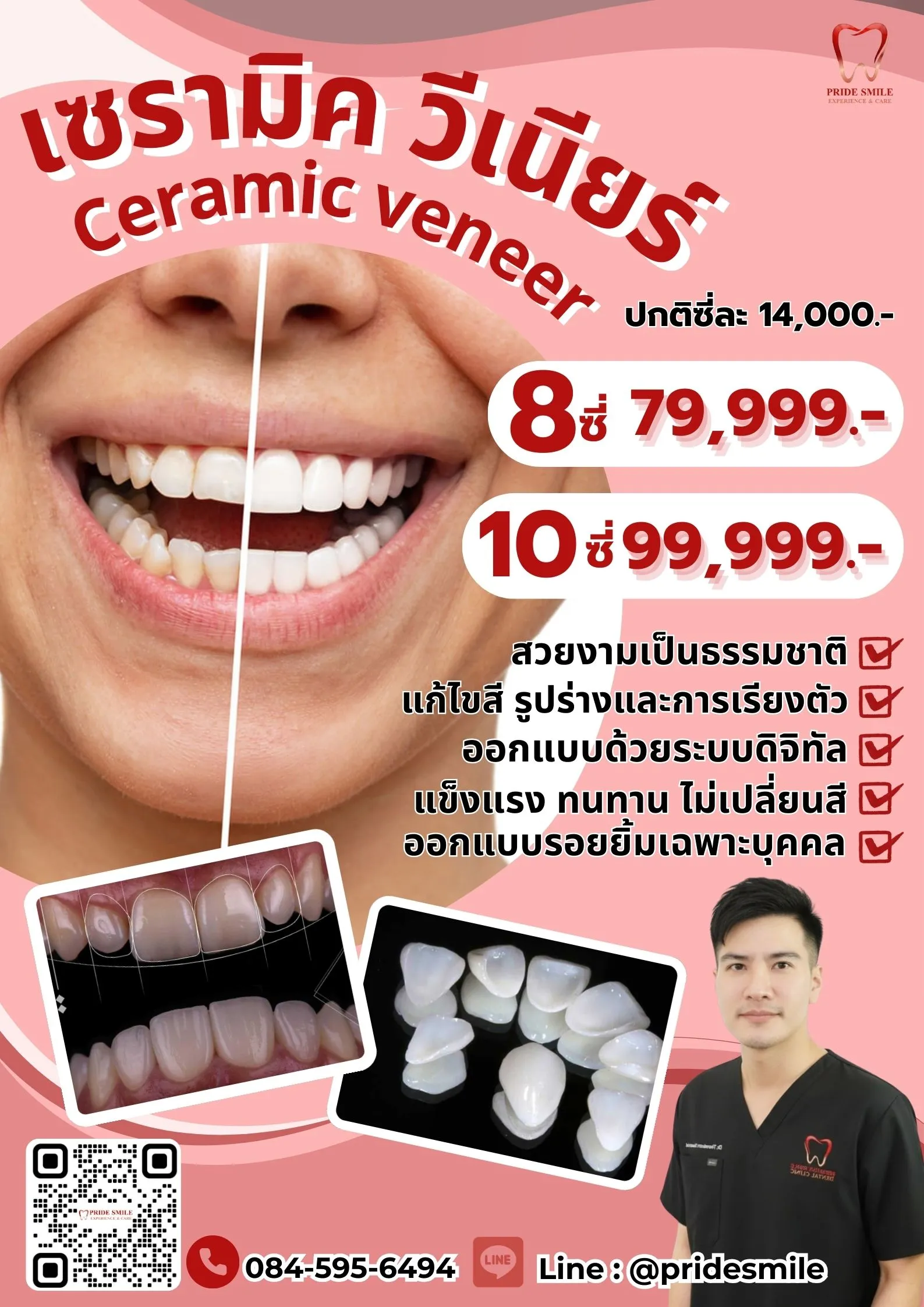
Ceramic Veneers
14,000THB per tooth
Promotion
8 teeth: 79,999 THB
10 teeth: 99,999 THB
Dental Issues Ceramic Veneers Can Resolve
- Tooth Discoloration: Effectively covers severe yellowing that whitening cannot fix, smoking stain or dark stains caused by Tetracycline.
- Tooth Shape: Corrects teeth that are too short, small (peg laterals), unevenly or irregularly shaped.
- Gaps (Diastema): Closes unwanted spaces between teeth.
- Alignment: Fixes minor crowding or rotated teeth without the need for braces.
- Surface Damage: Conceals cracks, chips, or uneven tooth enamel.
Comparison: Ceramic vs Composite (Dental Filling Material)
| Feature | Ceramic Veneer | Composite Veneer |
|---|---|---|
| Aesthetics | Beautiful, natural-looking | Moderately aesthetic |
| Durability | High (10–15 years+) | Moderate (3–5 years) |
| Color Stability | Does not change color over time | May stain but can be polished |
| Tooth Preparation | Requires slight enamel reduction | Minimal or no enamel reduction |
| Price | Higher cost | More affordable |
| Feature | Ceramic Veneer | Composite Veneer |
|---|---|---|
| Aesthetics | Beautiful, natural-looking | Moderately aesthetic |
| Durability | High (10–15 years+) | Moderate (3–5 years) |
| Color Stability | Does not change color over time | May stain but can be polished |
| Tooth Preparation | Requires slight enamel reduction | Minimal or no enamel reduction |
| Price | Higher cost | More affordable |
Types of Veneers at Pride Smile
1. Direct Composite Veneers (Bonding)
This technique uses a tooth-colored composite resin, similar to filling material, applied directly onto problematic teeth—similar to a filling procedure—to correct issues such as small gaps (1–2 teeth).
Key Features
Material: Composite resin (same as filling material)
Procedure: The dentist applies and sculpts the material layer by layer. Minor tooth reduction may or may not be required, depending on the tooth condition.
Time: Completed in one visit, usually within a few hours.
Advantages: Affordable, quick procedure, suitable for minor corrections, easy to repair.
Limitations: Not as durable or aesthetically refined as injected composite or ceramic veneers; color may change over time; lifespan approximately 3–7 years depending on care.
Suitable for: Patients with budget limitations who want fast results and have minor issues such as small gaps, chipped edges, or slight unevenness in specific teeth.
2. Injectable Composite Veneers
Injectable Veneers are an advanced smile design technique using flowable composite resin injected through a custom-made mold. This method helps close gaps, correct discoloration, reshape teeth, or fix minor irregularities without tooth reduction (or with minimal reduction). The procedure is faster than traditional layering techniques and provides natural, aesthetic results. Typically recommended for 8–10 teeth to achieve balanced and harmonious aesthetics.
Procedure Steps:
- Mold/Stencil Design: The dentist designs the tooth shape, size, and color using digital technology (CAD/CAM) to create a customized mold.
- Material Injection: High-quality flowable composite resin with natural translucency is injected into the mold.
- Curing: The mold is placed onto the prepared teeth, and a curing light is used to harden the material.
- Finishing: Once set, the mold is removed, resulting in newly shaped and polished teeth according to the planned design.
Advantages:
- No or minimal tooth reduction: Preserves more of the natural tooth structure.
- Precise & natural-looking: Achieves well-proportioned teeth that blend seamlessly with natural teeth.
- Fast procedure: Often completed within a short time or in a single day.
- Addresses multiple concerns: Discoloration, gaps, chips, cracks, undersized teeth, or irregular shapes.
Considerations: Composite material may be less durable than ceramic and may discolor over time (if not properly maintained).
Suitable for:
- Those who want to improve their smile quickly without significant tooth reduction.
- Those who desire teeth that look bright, translucent, and natural.
Steps for Injectable Composite Veneers
- Examination, Evaluation, and Treatment Planning
- The dentist will examine the patient’s teeth to identify any issues and determine whether they can be corrected with injectable veneers.
- The shade of the composite material will be selected.
- Smile Design and Mold Fabrication
- An impression of the teeth is taken to create a customized mold that will serve as the template for injecting the veneers.
- Tooth Preparation
- The tooth surface is prepared before applying the injectable composite veneers. In some cases, teeth whitening, fillings, or scaling may be required, depending on the dentist’s evaluation.
- Injectable Composite Veneer Procedure
- The customized mold is placed securely onto the teeth.
- Composite material is injected into the mold.
- An LED light or laser is used to cure and harden the composite material.
- Finishing and Polishing
- The mold is removed, and the dentist checks whether the composite has bonded properly to the teeth.
- The edges are refined to achieve a more aesthetically pleasing shape.
- The surface is polished to create a smooth, natural-looking shine.
- Bite Check and Aftercare Instructions
- The dentist checks the bite to ensure it is properly aligned and makes adjustments if necessary.
- Proper veneer care instructions are provided.
- A follow-up appointment is scheduled to monitor the results.
How to Care for Your Composite Injection Veneers
After receiving injectable composite veneers, proper care will help extend their lifespan, prevent them from becoming loose or chipped easily, and maintain overall oral health. Here are 5 essential aftercare steps following injectable veneers:
Be mindful of your diet
- Avoid chewing hard or sticky foods, especially during the initial period.
- Avoid foods and beverages that may cause staining, such as tea and coffee.
- Avoid using your front teeth to bite hard objects.
Brush properly
- Use a soft-bristled toothbrush to prevent scratches on the veneers.
- Use toothpaste without harsh abrasives.
- Brush at least twice a day and floss regularly.
Visit your dentist regularly
- Attend follow-up appointments as scheduled or every 6 months to monitor your oral health.
Avoid habits that may damage veneers
- If you grind your teeth at night, wear a night guard to protect your veneers.
- Avoid smoking, as it may cause staining on the veneers.
Use alcohol-free mouthwash
- Choose a mouthwash that helps reduce plaque and prevent gum inflammation.
- With proper care, injectable veneers can last 3–5 years or even longer, depending on individual habits and lifestyle. If you follow these five recommendations, your veneers will remain beautiful and durable for a longer time.
- For anyone interested in a veneer program and achieving a more confident smile but still unsure which type of veneer to choose, we recommend scheduling a consultation with the dentist at Your Smile Dental Clinic.
| Comparison of Differences | Injected Veneer | Direct Veneer |
|---|---|---|
| Appearance | Thin and smooth because they are injected and layered | Bonded to the tooth surface |
| Procedure | Uses a mold/block to inject composite material into shape | Built and sculpted directly on the tooth |
| Treatment Time | Usually completed in one visit | Takes longer |
| Repair | Can be repaired by adding material | Can be repaired in some cases |
| Suitable For | Those who want precision, smoothness, and fast results | Those who prefer flexibility in shaping and adjustments |
| Comparison of Differences | Injected Veneer | Direct Veneer |
|---|---|---|
| Appearance | Thin and smooth because they are injected and layered | Bonded to the tooth surface |
| Procedure | Uses a mold/block to inject composite material into shape | Built and sculpted directly on the tooth |
| Treatment Time | Usually completed in one visit | Takes longer |
| Repair | Can be repaired by adding material | Can be repaired in some cases |
| Suitable For | Those who want precision, smoothness, and fast results | Those who prefer flexibility in shaping and adjustments |
3. Ceramic Veneers
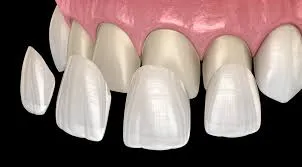
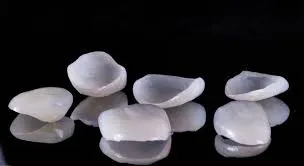
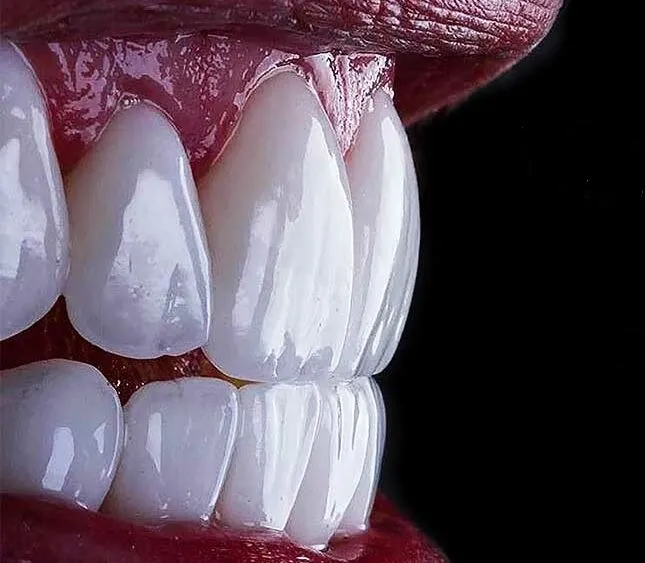
Ceramic Veneers are thin ceramic shells bonded to the front surface of teeth to correct issues related to color, shape, or alignment, creating a beautiful and natural-looking smile.
Advantages and Disadvantages of Ceramic Veneers
Ceramic veneers are a cosmetic dental solution with both benefits and limitations that should be considered before making a decision.
Advantages
- Natural aesthetics: Ceramic has translucency and shine similar to natural teeth, providing highly natural-looking results.
- High durability: Strong and resistant to wear, with an average lifespan of 10–15 years or longer with proper care.
- Stain resistance: Ceramic does not absorb stains or odors from food and beverages, helping maintain its bright color throughout its lifespan.
- Plaque resistance: The smooth, glossy surface makes it difficult for plaque to adhere, helping reduce gum inflammation.
Disadvantages
- Higher cost: More expensive than composite veneers.
- Tooth reduction required: In some cases, a small amount of enamel (approximately 0.3–0.5 mm) must be removed to prepare the tooth surface.
- Irreversible procedure: Veneers are a permanent treatment; the tooth cannot return to its original condition once prepared.
- Multiple appointments required: Since ceramic veneers are fabricated in a dental lab, the process usually takes several days and multiple visits.
Pricing and Procedure
Prices and procedures may vary depending on the dental clinic.
Estimated Cost
The cost of ceramic veneers depends on the material used (such as Emax or Amber Hass) and the number of teeth treated.
Generally, prices are approximately:
• Ceramic Veneer: Starting from 12,000–16,000 THB per tooth.
• Multiple teeth package: Some clinics offer special pricing for multiple units, such as 8 teeth or more, which may reduce the cost to around 11,000 THB per tooth.
Main Procedure Steps
- Consultation and Planning: The dentist evaluates the teeth and designs the smile together with the patient (Digital Smile Design).
- Tooth Preparation: A small amount of enamel (about 0.3–0.5 mm) is removed from the front surface to create space for the veneer.
- Impression or Digital Scan: After preparation, impressions or digital scans are taken and sent to the dental lab to fabricate custom ceramic veneers.
- Temporary Veneers: While waiting for the final ceramic veneers (approximately 5–7 days), temporary veneers are placed.
- Permanent Bonding: Once the final ceramic veneers are ready, the dentist checks the fit and aesthetics before permanently bonding them with a special dental adhesive.
Differences Among the Three Types of Veneers
| Topic | Composite Veneer | Ceramic Veneer | Injected Veneer |
|---|---|---|---|
| Does not stain from food / drink | ✓ | ✓ | |
| Strength | + | ++ | + |
| Beautiful and natural appearance | ✓ | ✓ | |
| Smooth and glossy surface | ✓ | ||
| Resistant to chipping | ✓ | ✓ | ✓ |
| Lifespan (Years) | 2+ | 10+ | 3+ |
| Number of visits required | 1 | 3 | 2 |
| Custom shade selection | ✓ | ✓ | ✓ |
| Requires tooth preparation | ✓ |
| Topic | Composite Veneer | Ceramic Veneer | Injected Veneer |
|---|---|---|---|
| Does not stain from food / drink | ✓ | ✓ | |
| Strength | + | ++ | + |
| Beautiful and natural appearance | ✓ | ✓ | |
| Smooth and glossy surface | ✓ | ||
| Resistant to chipping | ✓ | ✓ | ✓ |
| Lifespan (Years) | 2+ | 10+ | 3+ |
| Number of visits required | 1 | 3 | 2 |
| Custom shade selection | ✓ | ✓ | ✓ |
| Requires tooth preparation | ✓ |
Q & A Frequently Asked Questions
Does getting veneers hurt?
In most cases, it is not painful. There may be slight enamel reduction, and local anesthesia is used to ensure you do not feel pain during the procedure.